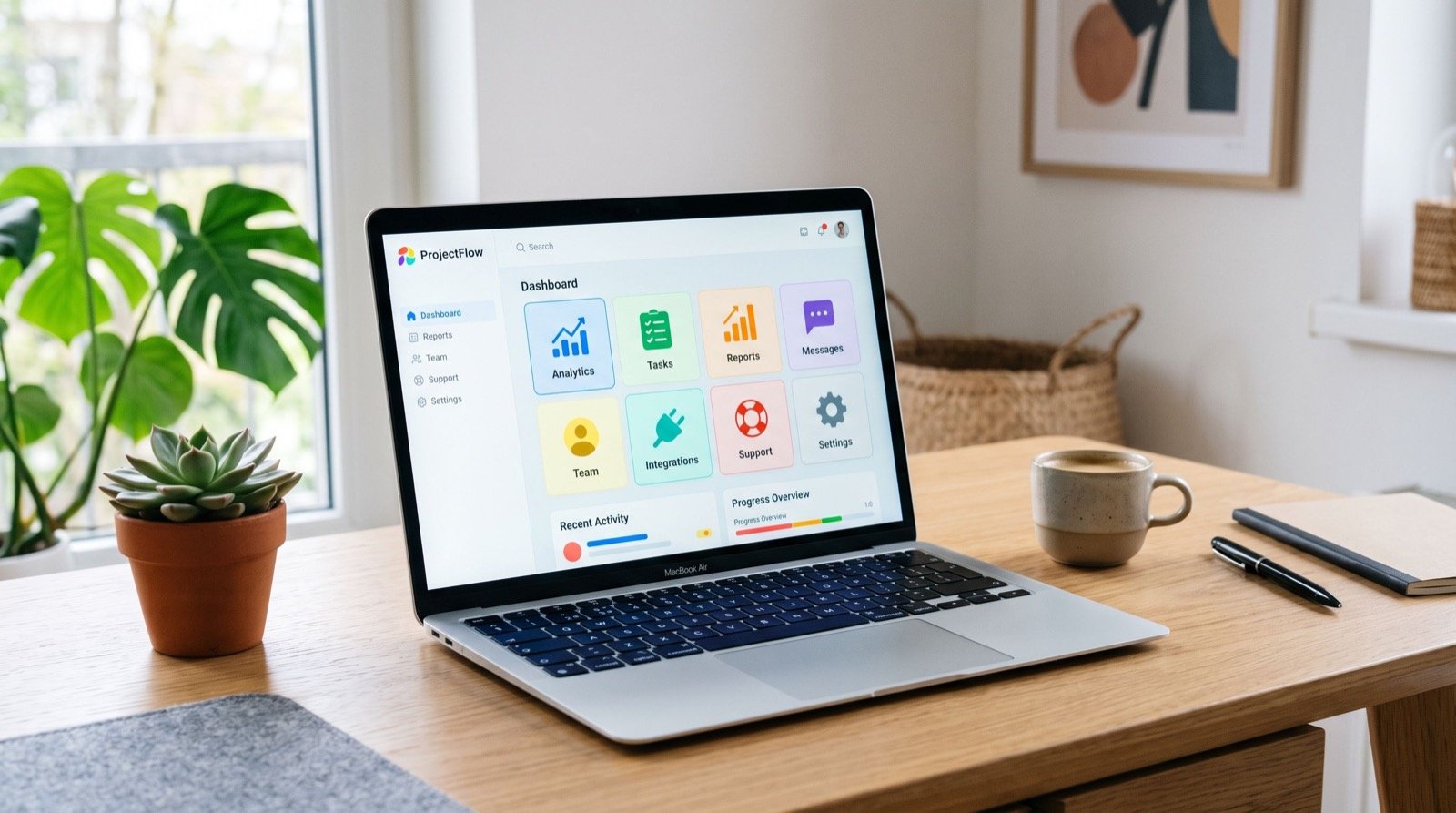
Technical SEO Audit: A 2026 Checklist for Karachi Sites
A thorough technical SEO audit is the health check your website needs before any content or link building can pay off. If Google cannot crawl, index, and load your pages properly, even the best writing stays invisible. This 2026 checklist walks Karachi business owners through every technical factor that quietly makes or breaks search rankings.
Think of it like servicing a car before a long drive. Fix the engine first, and everything else runs smoother. Let us pop the hood on your website and see what needs attention.
What a Technical SEO Audit Actually Checks
A technical SEO audit examines the infrastructure of your site — not the words on the page, but how search engines access and interpret them. It covers crawlability, indexing, speed, mobile usability, structure, and security.
Many Karachi websites look fine to visitors yet carry hidden faults: blocked pages, broken links, or sluggish load times on mobile networks. Spotting these early is why businesses bring in a specialist Top Marketing Agency Karachi rather than guessing at the problem.
The high-impact areas
Not every fix moves the needle equally. Focus first on the issues that block indexing or frustrate users, then refine the details.
- Crawlability and indexing errors
- Page speed and Core Web Vitals
- Mobile-friendliness
- Site architecture and internal linking
- HTTPS security and duplicate content
Crawlability and Indexing Come First
If Google cannot find or read a page, nothing else matters. Start your audit in Google Search Console, which reports exactly which pages are indexed and which are blocked or erroring.
Check your robots.txt file and XML sitemap. The robots file should not accidentally block important pages, and the sitemap should list every page you want ranked. Google’s crawling and indexing documentation is the authoritative reference for getting these right.
| Issue | Where to Check | Severity |
|---|---|---|
| Blocked pages | robots.txt / Search Console | Critical |
| Missing sitemap | Search Console | High |
| Noindex tags | Page source / crawler | Critical |
| Broken links (404) | Crawl tools | Medium |
| Redirect chains | Crawl tools | Medium |
Canonical tags and duplicates
Duplicate content splits your ranking power. Canonical tags tell Google which version of a page is the master. Audit for duplicate URLs created by parameters, trailing slashes, or http/https mismatches, and consolidate them properly.
Why Does Page Speed Matter So Much?
Speed is both a ranking factor and a conversion factor. Karachi users often browse on mobile data, where a slow site bleeds visitors. Google measures experience through Core Web Vitals — loading, interactivity, and visual stability.
Run your pages through PageSpeed Insights and target the three key metrics below. Even modest improvements can lift both rankings and sales.
- LCP (Largest Contentful Paint): aim under 2.5 seconds.
- INP (Interaction to Next Paint): aim under 200 milliseconds.
- CLS (Cumulative Layout Shift): aim under 0.1.
Common fixes include compressing images to WebP, enabling caching and a CDN, and removing render-blocking scripts. When the work gets complex, reliable local experts can implement these changes without breaking your design.
Mobile-first indexing
Google now indexes the mobile version of your site first. If your mobile layout hides content, uses tiny tap targets, or loads slowly, your rankings suffer everywhere. Test on a real phone, not just a desktop preview.
Site Structure and Internal Linking
A logical structure helps both users and crawlers. Aim for a shallow hierarchy where any page is reachable within three clicks of the homepage. Group related content into clear categories.
Internal links spread ranking authority and guide Google through your site. Use descriptive anchor text, link cornerstone pages from relevant posts, and fix orphaned pages that have no internal links pointing to them.
Structured data and schema
Schema markup helps Google understand your content and can unlock rich results like star ratings and FAQs. Add relevant schema for your business type, services, and FAQs to stand out in the search results.
Security, HTTPS, and Crawl Budget
Security is a confirmed ranking signal. Every page should load over HTTPS with a valid SSL certificate, and any lingering http links or mixed-content warnings must be cleaned up. Visitors and Google both distrust an insecure padlock.
Larger sites also need to manage crawl budget — the number of pages Google will crawl in a given window. Thin, duplicate, or low-value pages waste that budget. Prune or consolidate weak pages so Google spends its attention on the content that actually earns you business.
- Enforce HTTPS sitewide and fix mixed content
- Remove or noindex thin, low-value pages
- Flatten deep URL structures where possible
- Keep your sitemap clean and current
Logs and ongoing monitoring
Technical SEO is never truly finished. New errors creep in as you publish content, change themes, or add plugins. Set up alerts in Search Console and schedule a quick monthly review so small issues never snowball into ranking losses.
Turning Audit Findings Into Action
An audit is only useful if you act on it. Prioritise fixes by impact and effort, tackling critical indexing and speed issues before cosmetic tweaks. Document each change so you can measure its effect.
Re-crawl after major fixes to confirm the problems are resolved. A disciplined Marketing Agency Karachi team will hand you a prioritised roadmap rather than an overwhelming list of raw errors.
Frequently Asked Questions
How often should I run a technical SEO audit?
A full technical SEO audit once or twice a year suits most small businesses, with quick monthly checks in Search Console. Run a fresh audit after any major site redesign or migration.
Can I do a technical SEO audit myself?
You can cover the basics using free tools like Google Search Console and PageSpeed Insights. Deeper issues — crawl budget, schema, and complex redirects — usually benefit from a specialist’s tools and experience.
How long does an audit take?
A standard audit for a small Karachi website takes a few days to complete and report. Implementing the fixes can take longer, depending on how many issues surface and their complexity.
Will fixing technical issues improve my rankings?
Often yes, especially if serious problems were blocking indexing or slowing your site. Technical SEO removes barriers so your content and links can finally perform to their full potential.
Conclusion
A regular technical SEO audit keeps your website fast, crawlable, and ready to rank in 2026. Fix the foundation first — indexing, speed, mobile, and structure — and every other marketing effort works harder for you. Not sure what is holding your site back? Request a free technical SEO audit today and get a clear, prioritised plan to unlock your rankings.